

What is the best way to manage fuel for a fleet?
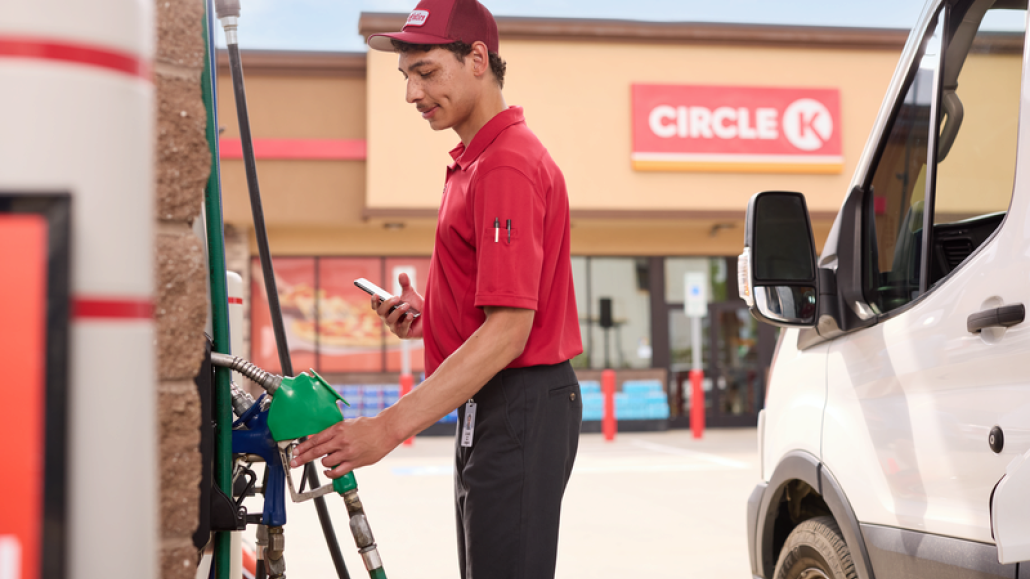
Managing fuel is one of the biggest operational expenses for any business with a fleet. Choosing the right system to handle fuel purchases can directly impact your bottom line—through saved time, reduced fraud, and tighter control overdriver spending.
For many businesses, fleet cards offer a smarter, more secure way to manage fuel than standard credit cards.
Fleet cards are specialized payment cards designed specifically for companies that operate vehicles regularly. Unlike traditional credit cards, fleet cards provide detailed transaction-level data tied to specific drivers and vehicles.
Fleet cards help businesses:
- Eliminate paper receipts
- Reduce administrative time
- Track cost-per-mile and cost-per-gallon metrics
- Control unauthorized purchases
- Improve overall fuel cost visibility
For fleet managers, this means more control, fewer surprises, and better data to drive strategic decisions. Whether you’re managing a single truck or a nationwide fleet, fleet cards simplify fuel purchasing and help reduce financial risk.
Fleet cards vs credit cards: What’s the difference?
Many businesses use credit cards for fuel—until they realize the lack of transparency can cost them. A typical credit card will only show where the transaction occurred and the total amount. It won’t tell you:
- What was actually purchased
- Which driver made the purchase
- Whether the purchase followed company policy
This limited data forces managers to rely on paper receipts, which are easy to lose and time-consuming to track. In contrast, fleet cards provide detailed purchase records in real-time and help flag unauthorized or unusual transactions immediately.
By using fleet cards, companies reduce the risk of fuel fraud by giving managers the ability to control:
- What products can be bought (fuel, fluids, snacks, etc.)
These controls make it harder for fraud to occur—and easier to catch when it does.
How much can you save with fleet fuel management?
By cutting out paper receipts, reducing administrative work, preventing unauthorized spending, and streamlining reporting, businesses using fleet cards can save up to 15% on their annual fuel management costs.
The more vehicles you manage, the more time and money you stand to save. And with built-in fraud controls, the risk of lost revenue from card misuse drops dramatically.
The hidden costs of fuel receipt management
Administrative inefficiencies are a hidden drain on fleet budgets. According to industry research:
- Drivers spend an average of 10–14 minutes per week handling fuel receipts
- Accounts payable spends 10–35 minutes entering data into accounting systems
- Admin teams often spend 5–18 minutes tracking down missing or duplicate receipts
When you apply average hourly wages to this time—across dozens or hundreds of vehicles—the true cost of manual receipt handling becomes clear. For many companies, this inefficiency can cost up to $50 or more per receipt.
For smaller fleets in particular, administrative time can represent a significant percentage of total fuel management costs. Fleet cards help eliminate this drain on time and money by automating the receipt and reporting process. Transactions are logged digitally—no paperwork required.
- What types of products drivers can buy (fuel, fluids, etc.)
- When purchases can be made (days and times)
- How much can be spent per transaction or per day
- Which locations the card can be used at
These parameters help fleet managers rein in rogue spending while still giving drivers what they need to keep moving.
Preventing fuel card fraud
Fuel fraud is a serious and growing issue in the fleet industry. Misuse of cards—whether intentional or accidental—can lead to major financial losses.
Fleet cards help reduce the risk of fraud through built-in security features, such as:
- Driver PINs and odometer readings
required at the pump
- Purchase restrictions (e.g., no snacks or tobacco)
- Alerts for suspicious activity
- Two-factor verification for purchases
- Location and time-of-day controls
If a card is lost or stolen, access can be revoked immediately—protecting your company from unauthorized charges.
Integrated administrative portals make it easy to monitor card activity in real-time, ensuring your policies are followed and anomalies are quickly spotted.
Automating and streamlining admin work
One of the most valuable advantages of fleet cards is the automation of administrative tasks. Key benefits include:
Alerts and exceptions: Get notified of purchases that fall outside normal patterns.
This automation doesn’t just save time—it ensures you’re working with clean, accurate data that helps your fleet run more efficiently.
The bottom line
Choosing the right way to manage fuel purchases is about more than saving money at the pump. It's about giving your business the tools to scale, operate more efficiently, and protect against risk. Whether you're running a small local fleet or overseeing a national operation, fleet cards can be a game-changer in how you manage spend, monitor usage, and focus your time where it matters most.